

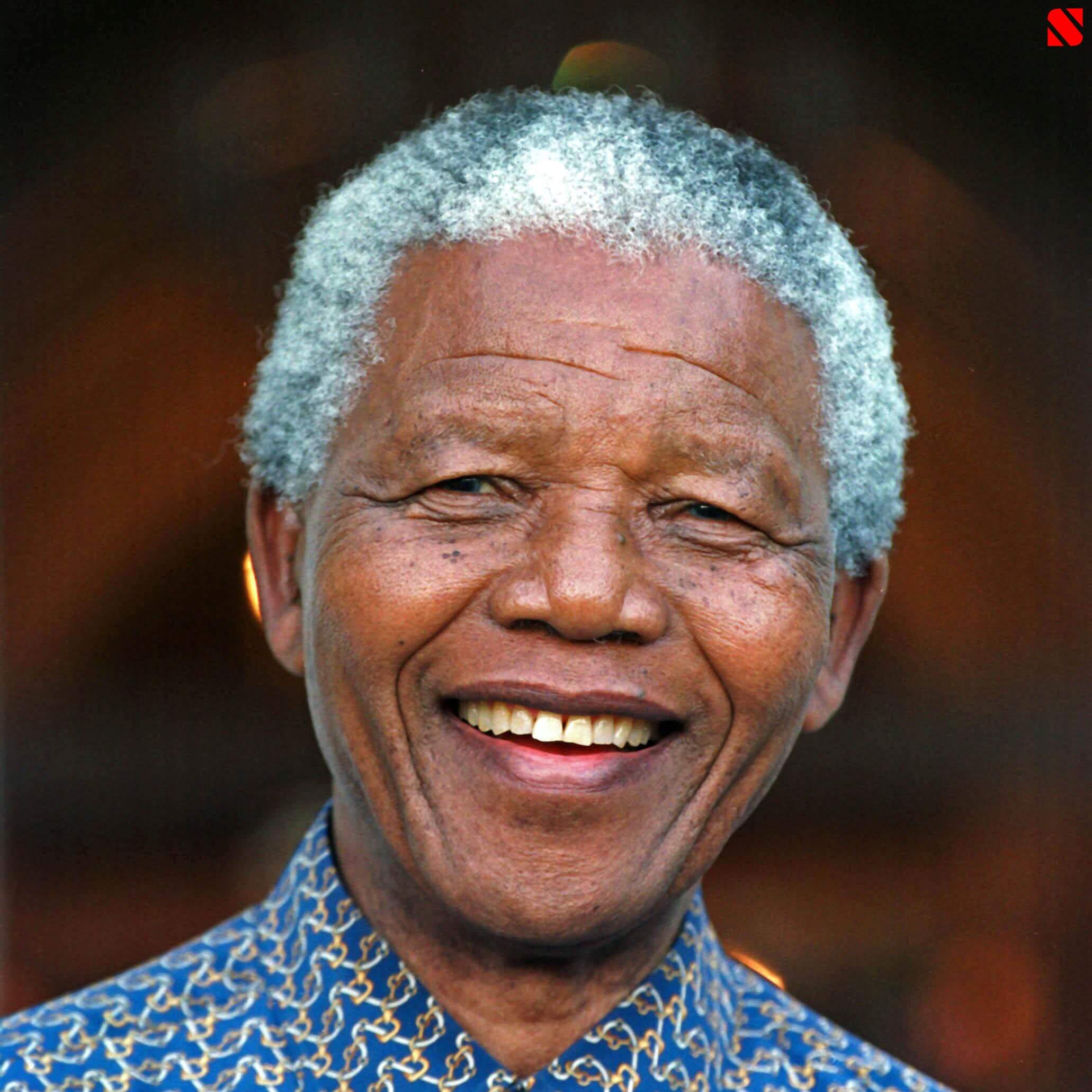
New York: UN Secretary-General António Guterres has stated that the legacy of former South African President Nelson Mandela has now become the responsibility of the global community.
Guterres stated this at a public service activity at the UN to commemorate the 2025 Nelson Mandela International Day, where the UN chief presented the 2025 Mandela Prize.
In his remarks, the secretary-general celebrated the extraordinary life of the South African civil rights icon, affectionately known by his Xhosa clan name, Madiba.
“He endured the brutal weight of oppression, and emerged not with a vision of vengeance and division, but of reconciliation, peace and unity,” Guterres said.

“Today, Madiba’s legacy is now our responsibility.
“We must carry forward his commitment to peace, justice and human dignity.”
To honour this legacy, the UN chief awarded the annual Nelson Mandela Prize to two individuals – Brenda Reynolds of Canada and Kennedy Odede of Kenya.
The prize was awarded to the duo in recognition of their reflection of the late South African leader’s commitment to peace and collective action, as well as this year’s theme of combating poverty and inequity.
Brenda Reynolds is a Saulteaux member from Fishing Lake First Nation in Canada. As a social worker, she has spent decades advancing Indigenous rights, mental health and trauma-informed care.
“There are many parallels to what we had experienced in both our countries, where the governments made impactful policies,” Reynolds said in her acceptance speech.
She said those policies were made “to change who we are, to face oppression, to face violations of human rights in our countries.”
In 1988, she supported 17 teenage girls in the first residential school sexual abuse case in Saskatchewan.
“These charges were the beginning of other disclosures that came from across Canada from survivors speaking about their sexual abuse experiences.
“Those charges and the disclosures became the largest class action lawsuit to date in Canada,” known as Canada’s Indian Residential Schools Settlement Agreement, she explained.
Afterwards, she became a special adviser to the Truth and Reconciliation Commission and developed the Indian Residential School Resolution Health Support Program, both of which were created under the agreement.
These efforts helped shape the support for survivors and responses to trauma nationwide.
Kennedy Odede, after growing up in Kenya’s Kibera Slum, transitioned from living on the streets to achieving global recognition.
He was named one of TIME magazine’s 2024 100 Most Influential People and became a New York Times bestselling author.
“At 10 years old, fleeing domestic violence, I joined the ranks of Nairobi’s street children,”
Odede recounted in his acceptance speech:
“One day, I stole a mango because I was starving. A mob gathered to beat me to death, until a stranger stepped forward and paid for that mango.
“And in that single act of grace, showed me that kindness could interrupt cycles of violence.”
He began his journey as an activist by saving his meagre factory earnings to buy a soccer ball and bring his community together.
“That ball was not just for play; it was a tool for organising a centre around which a community could form,” he said.
This soon evolved into Shining Hope for Communities (SHOFCO), the most significant grassroots movement in Kenya, which he now leads as CEO.
SHOFCO operates nationwide, empowering local groups and delivering vital services to over four million people annually.
“Mandela showed all of us at SHOFCO that leadership is not a privilege reserved for those born to power. It belongs to anyone willing to serve and look within,” he added.